Bellflower highlight
Diverse residential character
Bellflower's neighborhoods are defined by residential diversity—different family types, cultural backgrounds, generations, and housing styles living side by side across 6.17 square miles.
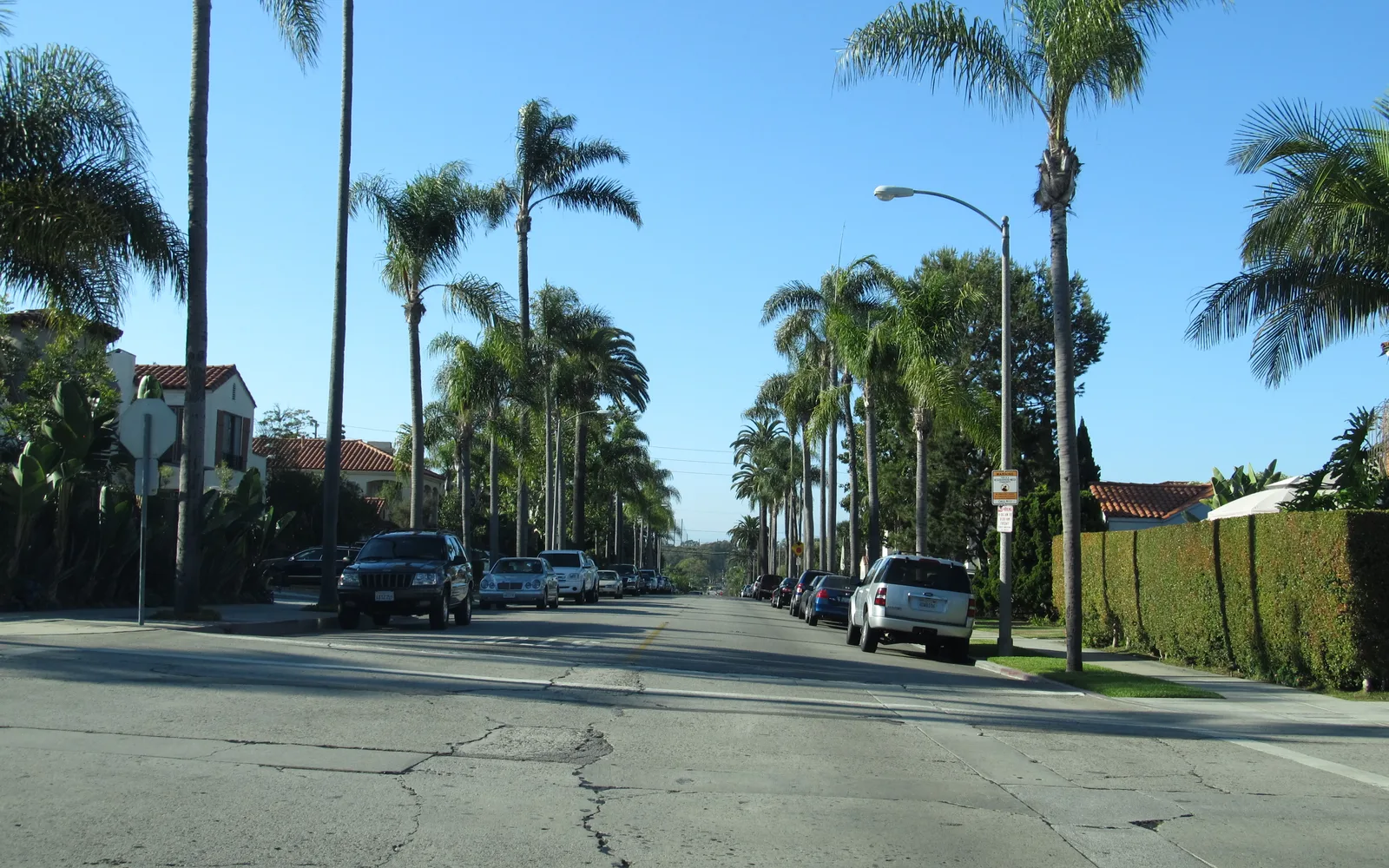
Bellflower's suburban residential fabric reflects waves of development from the 1950s forward, creating neighborhoods of varying ages, architecture, and household types. The city's street grid includes single-family neighborhoods, multi-family residential areas, and townhouse developments, all within close proximity to shops, schools, and services. After agricultural families moved east in the post-World War II era, Bellflower filled with working families and homeowners, creating the suburban template that defines the city today.
The diversity of Bellflower's residential character extends far beyond housing type. The 2020 census shows that Bellflower residents represent dozens of national origins and cultural backgrounds: Mexican, Central American, Filipino, Vietnamese, Korean, African, European, and other communities, each bringing their own family structures, values, and ways of building community. Some households are multigenerational; others are single individuals or young couples. Incomes range from working-class to professional families. This is not a homogeneous suburb, but a genuinely diverse residential community.
In a neighborhood this diverse, each household has different needs—different mortgage amounts, different numbers of dependents, different timelines for when children will be independent or a mortgage will be paid off. Life insurance planning starts from that recognition of difference. The quote tool lets you choose the coverage amount and term length that matches your household's specific situation, then shows you what that actually costs from each carrier. That is how insurance serves a diverse community: by letting each family choose what protects them.